There's nothing quite like pulling a fresh batch of muffins or cupcakes out of the oven, until you turn them out and find half the batch still clinging to the pan.
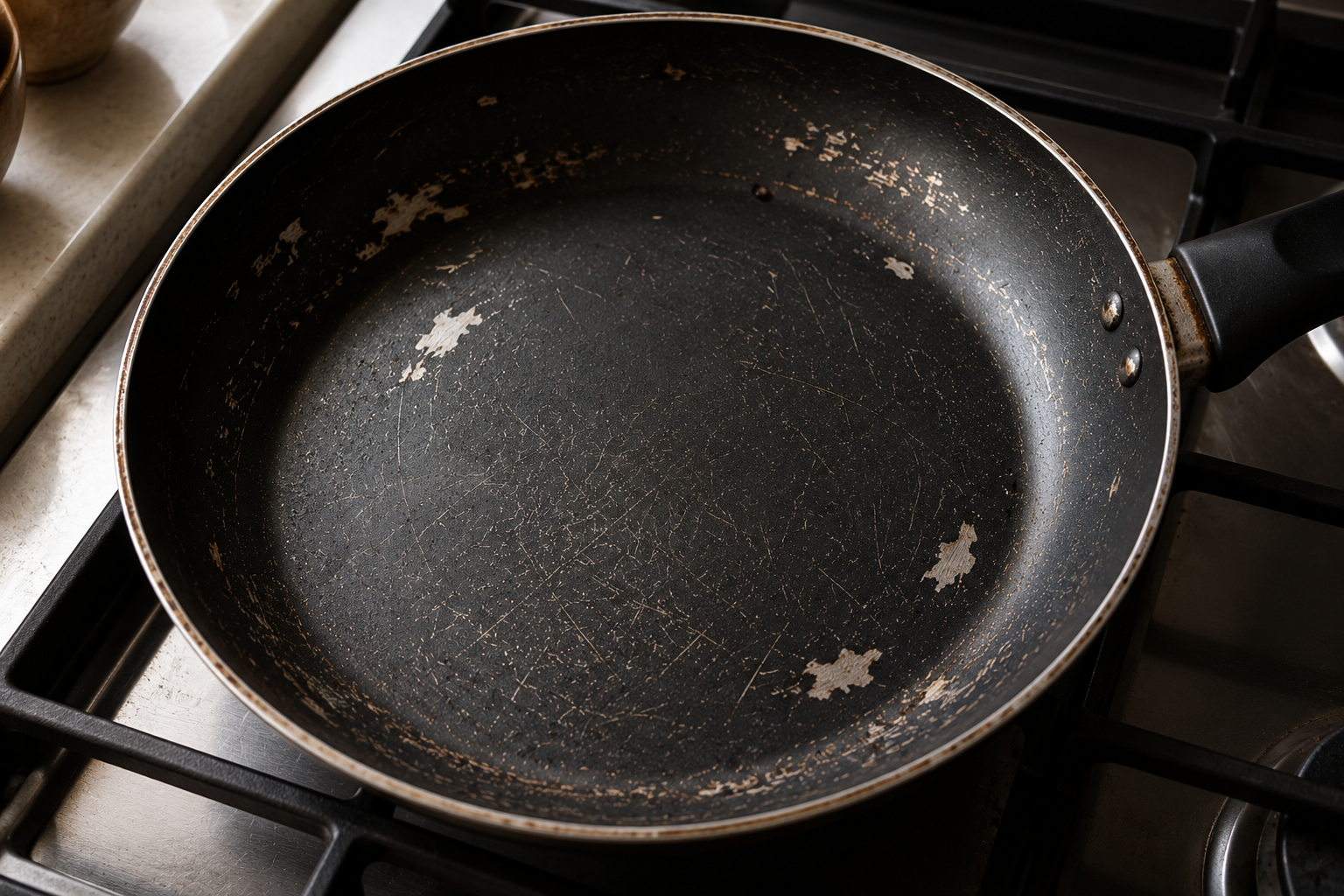
There comes a time when every well-loved pan has to retire.
Maybe your morning eggs aren't sliding around quite like they used to. Maybe the cooking surface has picked up a few scratches, or you're noticing the coating beginning to peel.
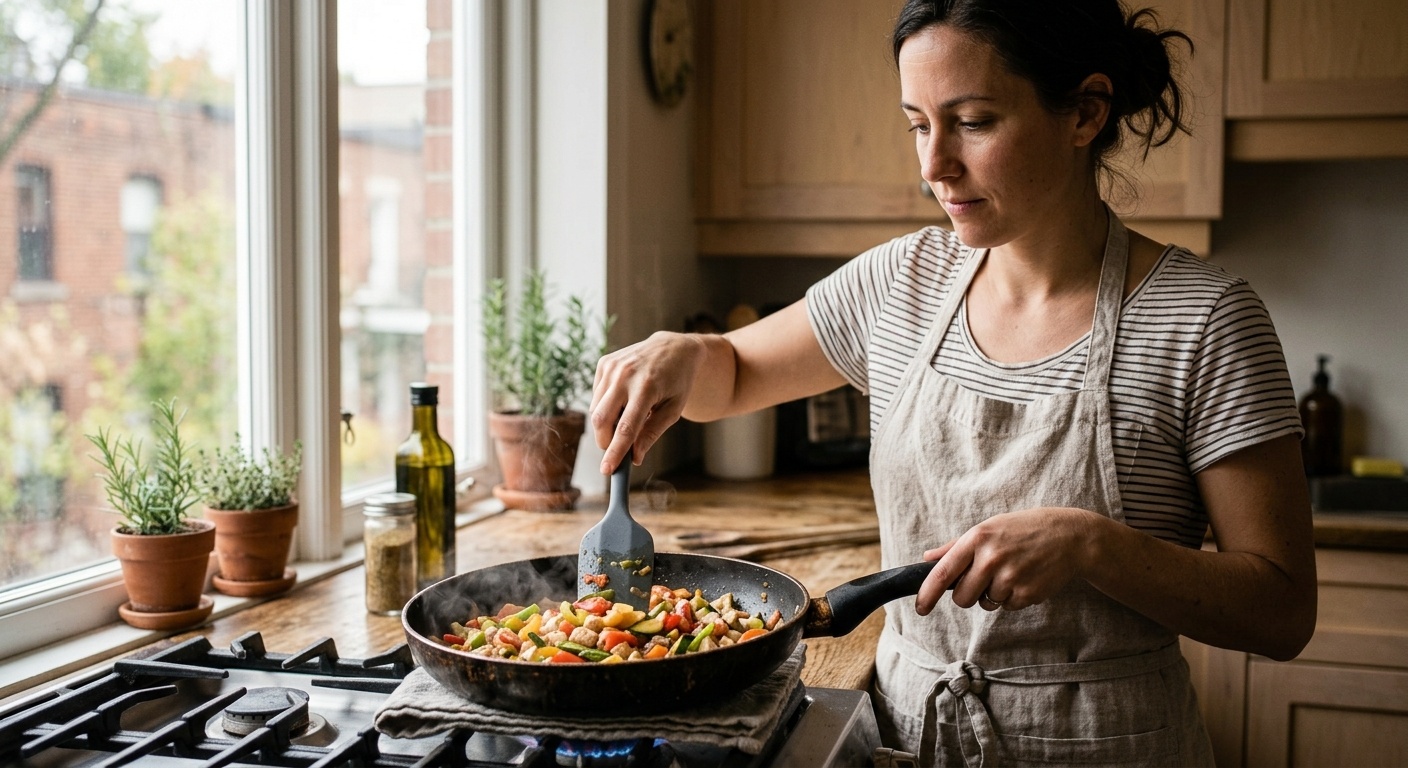
A good non-stick pan can become one of the most-used pieces in your kitchen, and a little care goes a long way in keeping it performing its best. Most of the wear doesn't come from age; it comes from a handful of everyday habits that are easy to fix once you know what to look for. Here's what actually makes a difference.
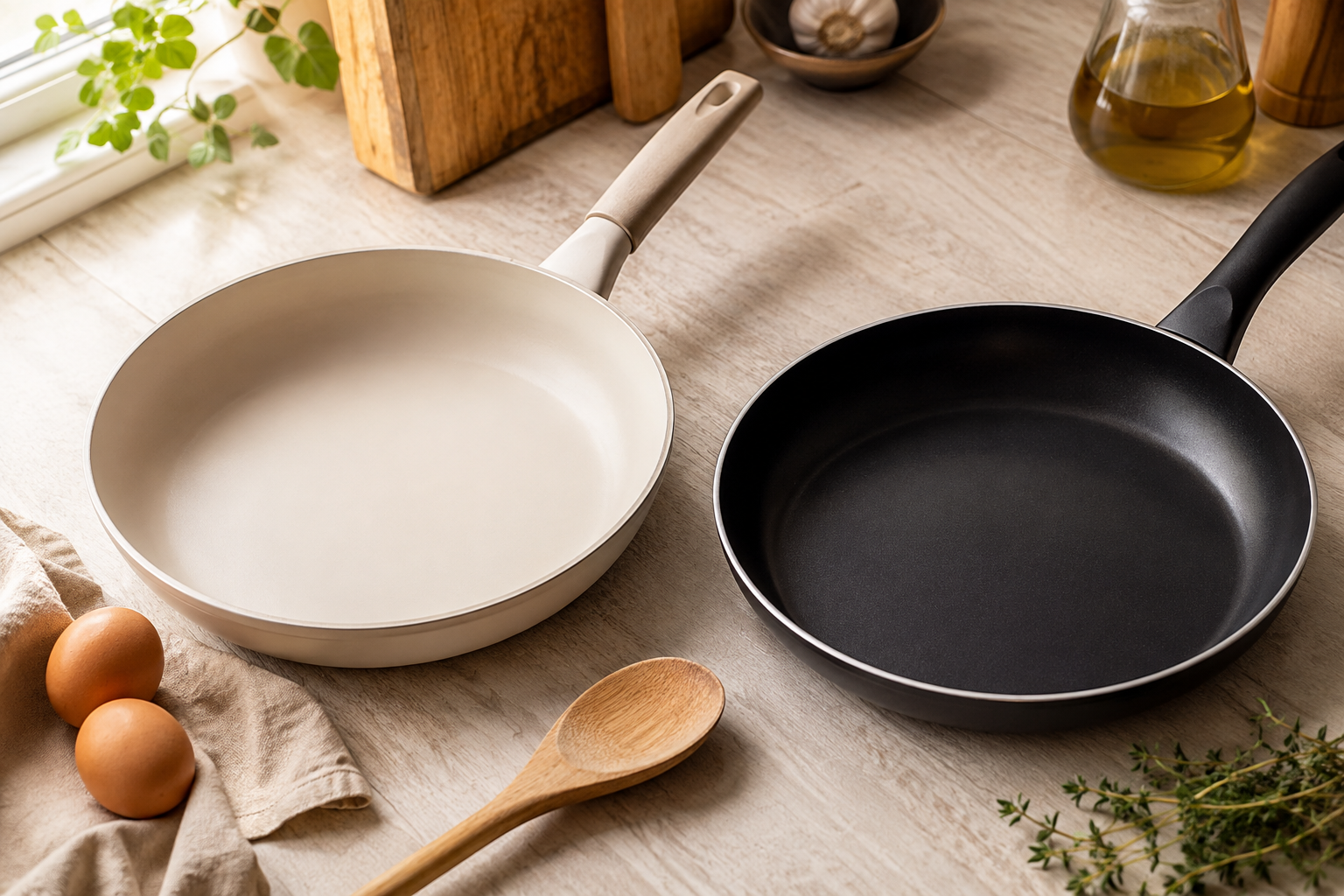
If you've ever stood in front of a wall of cookware wondering, "Okay… but which pan should I actually buy?" you're not alone.
Ceramic and traditional non-stick cookware can both make everyday cooking easier, especially when you're making eggs, pancakes, fish, or anything else you'd rather not scrape off the bottom of your pan.